
Newsletter Sign Up
Sign up for our new Newsletter to receive updates and information about our
Annual Seed Sale and upcoming on-site farm events!.
Inviting Wonder
Welcome!
Blomma Flower Farm is a small family farm in Gardnerville, Nevada. We specialize in breeding and introducing new zinnias for beautiful forms and colors useful for gardeners, farmers and florists. Our goal is to invite the wonder of zinnias in the fields and shepherd those treasures along to you. This work inspires us and we hope our flowers inspire you to invite the wonder of Blomma Zinnias into your life.
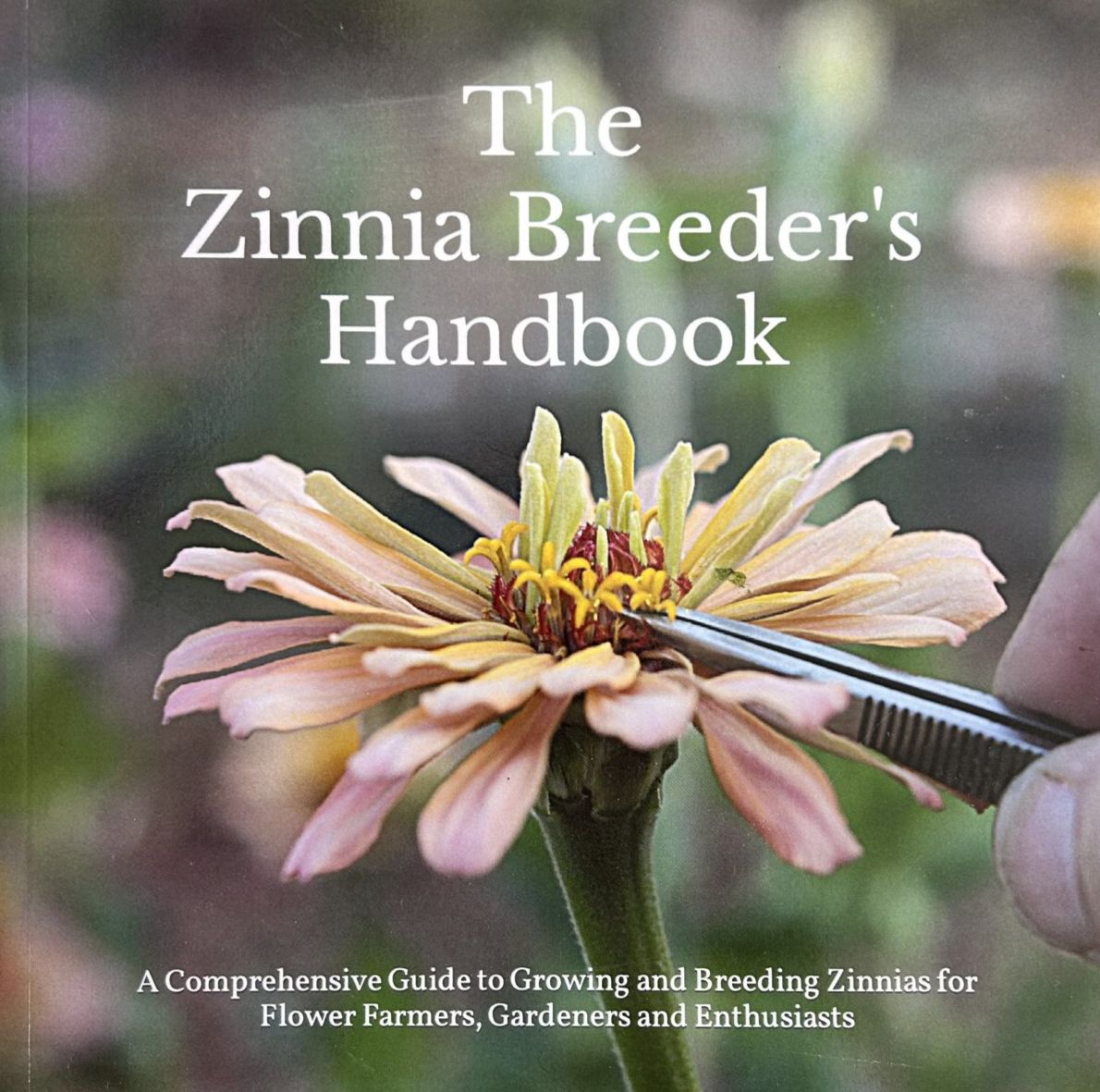
Available Now!
To find out more about the first book for amateur zinnia breeders, read reviews and purchase click here.

Seed Sale
Watch for our next seed sale January 2027
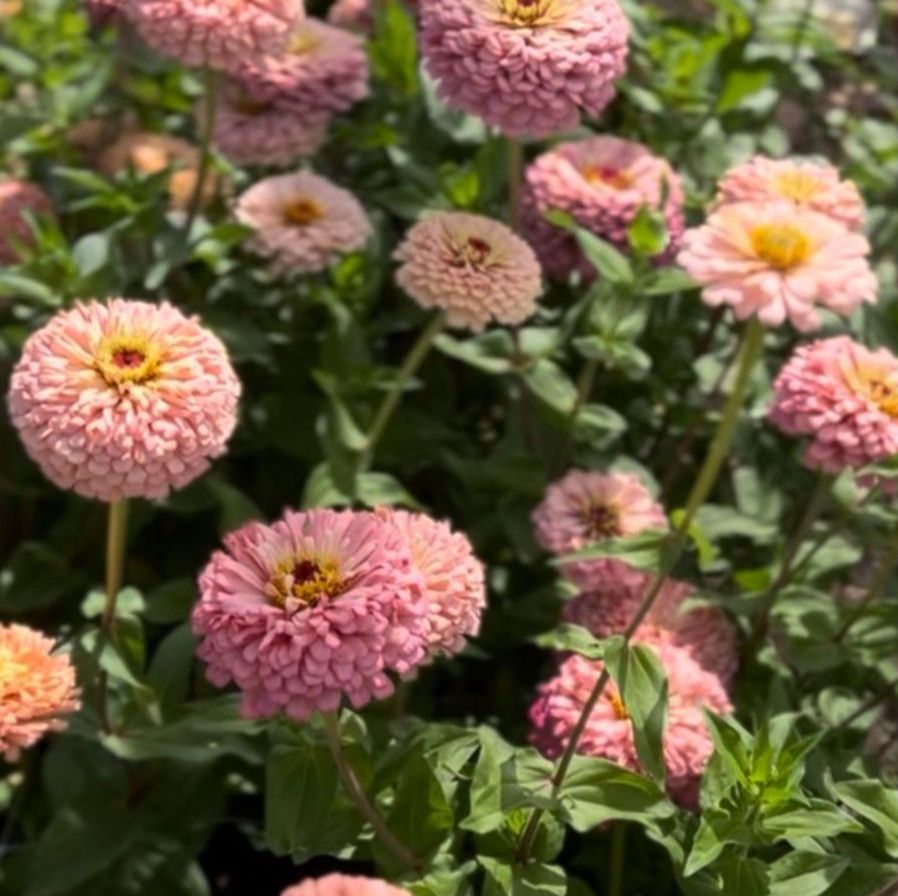
On Farm Events
Closed for 2026
Why We Breed Zinnias
Flower farming is challenging and rewarding and has opened unexpected interests and new passions for me (Tiffany). Over the last several years I have been researching all about breeding zinnias and have fallen in love with these stalwart, humble flowers. From on line forums to research papers to the earliest known history of zinnias, I have been studying as much as I can about growing and breeding one of the most commonly purchased flower seeds in the world. While they are simple to grow, most breeding development has been for landscape use, which, while beautiful, doesn't align with what florists and designers want or can use.
Instead of bright, bold colors and shorter plants, my goal is to introduce healthy, prolific plants with long strong stems perfect for cutting and subtle, softer more muted colors, unique forms and textures suitable for the highest levels of design work. I love sharing what I've learned from my research and have written a comprehensive book covering everything you need to know you get started on your own zinnia breeding journey and beyond.
Our Story
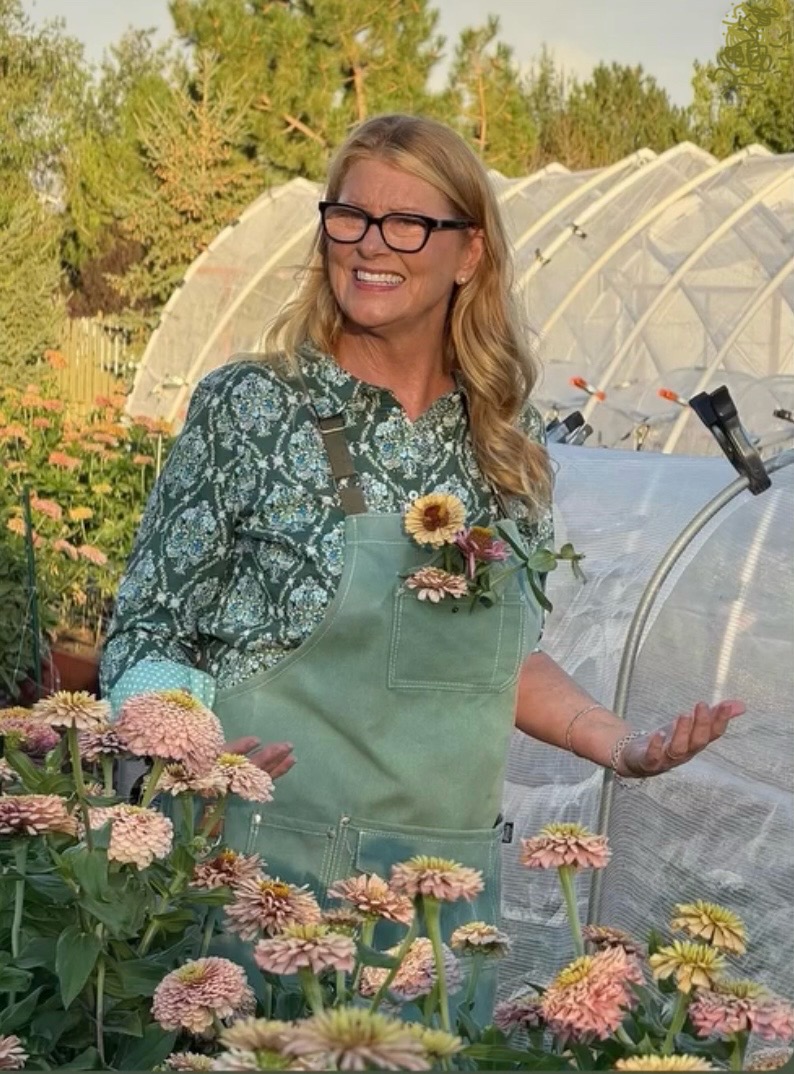
Hello! We are a family run zinnia breeding farm, Tiffany and Mike Jones. I am the designer, artist and farmer. Mike is the engineering brain, heavy lifter, and head supporter.
I (Tiffany) grew up in Orange County in an area surrounded by farms and fields of tomatoes, corn, strawberries, and flowers. With the support of my dad, who loved gardening, I got to grow my own flowers as a little girl - my favorite was a particularly beautiful peachy-colored gladiolus. Mike grew up with a flower-loving mother, understanding the value of growing plants and now helps develop medical devices.
Flowers have always been my first love.
Flowers have always been my first love.
A floral designer at 19, I went on to study Ornamental Horticulture and to get a degree in Landscape Architecture, giving me a more comprehensive understanding of flowers and plants. Eventually I focused on growing cut flowers in San Clemente, California for local wholesale markets. During my first year I noticed that some zinnias I had grown in soft shades of blush and peach would sell out at the wholesaler I worked with, before I had finished unloading my cart. A spark was ignited and, in order to stand out in my crowded market, I began my zinnia breeding journey.
As part of my flower farming adventure, I planted all kinds of perennials and annuals, including ‘Giant Cactus’ zinnias. While I’d grown zinnias before, the ‘Giant Cactus’ variety was so dynamic with its twisted, twirling, tubular petals, and massive flower heads. It was unlike any flower I’d ever seen. I brought them faithfully to market each week and watched as the champagne, blush and peach-colored ones were snatched up before I could even finish unloading the rest of my flowers. Tucked in designers’ arms where no one else could claim them, the designers looked like they’d just scored the best deal and hoped no one else noticed until the bunches were paid for, irrevocably their own. This happened every week and there simply weren’t enough of those colors in my mix to satisfy the demand. With only mixes of multiple colors available commercially, I decided to save the last of my favorites at the end of the season for the bees to pollinate thinking I would grow the seed and have just the colors I wanted.
Simply saving my favorites was no guarantee I’d get more of the same.
As part of my flower farming adventure, I planted all kinds of perennials and annuals, including ‘Giant Cactus’ zinnias. While I’d grown zinnias before, the ‘Giant Cactus’ variety was so dynamic with its twisted, twirling, tubular petals, and massive flower heads. It was unlike any flower I’d ever seen. I brought them faithfully to market each week and watched as the champagne, blush and peach-colored ones were snatched up before I could even finish unloading the rest of my flowers. Tucked in designers’ arms where no one else could claim them, the designers looked like they’d just scored the best deal and hoped no one else noticed until the bunches were paid for, irrevocably their own. This happened every week and there simply weren’t enough of those colors in my mix to satisfy the demand. With only mixes of multiple colors available commercially, I decided to save the last of my favorites at the end of the season for the bees to pollinate thinking I would grow the seed and have just the colors I wanted.
Simply saving my favorites was no guarantee I’d get more of the same.
In fact, among my new seedlings the following season, there were far more of every color I didn’t want! In spite of studying Ornamental Horticulture and Landscape Architecture in college I was never exposed to the specifics of zinnia breeding. I knew the general rules and process but had no idea how to actually pollinate a zinnia. In fact, couldn’t even identify the necessary parts. Undaunted, the compulsion to learn more drove me to search online for more information.
I didn't really understand what was involved and began investigating and researching everything I could find about breeding zinnias. Once I had cataloged and organized the information so I could use it as a reference guide, my family encouraged me to make that information available to everyone with an interest in breeding zinnias. Sharing the information in short videos and brief posts was how I started. The response of people wanting to know more was unexpected and overwhelming.
Fast forward several years of investigating and writing and I've complied The Zinnia Breeder's Handbook: A Comprehensive Guide for Flower Farmers, Gardeners and Enthusiasts sharing everything I've learned and been taught all about zinnia breeding for anyone to try. All the while, I continued developing my seed lines and pursued developing new varieties.
Click on the link in the section above for more information or to purchase.
After growing in San Clemente for several years, we moved to Gardnerville, Nevada. The farm is much larger, and our dry, hot summer are perfect for growing and developing new varieties. Our focus is breeding beautiful, elevated, unique cut flower zinnias with the goal of bringing these new forms and previously unavailable colors to growers at every level.
Cheers!
Tiffany
I didn't really understand what was involved and began investigating and researching everything I could find about breeding zinnias. Once I had cataloged and organized the information so I could use it as a reference guide, my family encouraged me to make that information available to everyone with an interest in breeding zinnias. Sharing the information in short videos and brief posts was how I started. The response of people wanting to know more was unexpected and overwhelming.
Fast forward several years of investigating and writing and I've complied The Zinnia Breeder's Handbook: A Comprehensive Guide for Flower Farmers, Gardeners and Enthusiasts sharing everything I've learned and been taught all about zinnia breeding for anyone to try. All the while, I continued developing my seed lines and pursued developing new varieties.
Click on the link in the section above for more information or to purchase.
After growing in San Clemente for several years, we moved to Gardnerville, Nevada. The farm is much larger, and our dry, hot summer are perfect for growing and developing new varieties. Our focus is breeding beautiful, elevated, unique cut flower zinnias with the goal of bringing these new forms and previously unavailable colors to growers at every level.
Cheers!
Tiffany